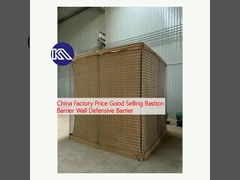
방어 장벽 울타리

Other Videos
August 07, 2025
Category Connection: 군 장벽
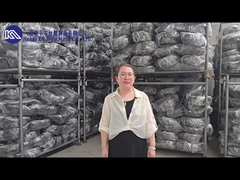
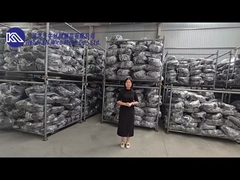
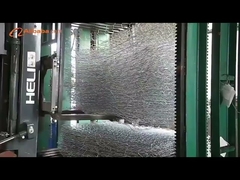
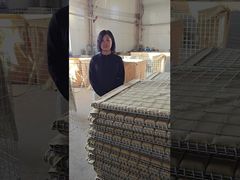
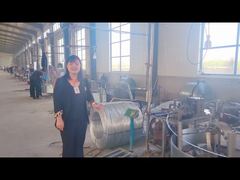
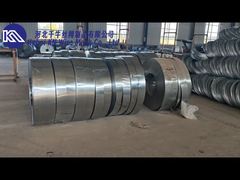
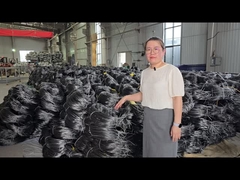
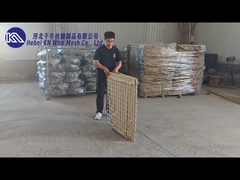
Brief: Follow the narrative to see how small design choices affect everyday performance. This video provides a detailed walkthrough of high-strength barrier sandbags, showcasing their assembly, filling process, and real-world applications in defensive and protective scenarios. You'll learn how these versatile, geotextile-lined units are deployed to create robust earth-filled walls for security, flood control, and erosion management.
Related Product Features:
  • Geotextile-lined, recoverable units suitable for filling with earth, sand, gravel, or crushed rock.
  • Available in multiple standard models with varying heights, widths, and lengths to suit different project needs.
  • Customizable sizes are available to meet specific site requirements and applications.
  • Designed for constructing protective walls and barriers for perimeter security and defense.
  • Used in equipment revetments, personnel bunkers, observation points, and defensive firing positions.
  • Effective for flood control, coastal erosion protection, and safeguarding existing structures.
  • Ideal for highway and border crossing checkpoints, providing rapid deployment and robust protection.
  • Versatile applications include military, civil engineering, and emergency response scenarios.
자주 묻는 질문:
  • What materials can be used to fill the barrier sandbags?
    The units are suitable for filling with earth, sand, gravel, crushed rock, and other granular materials, making them highly versatile for various applications.
  • Are custom sizes available for the barrier units?
    Yes, customized sizes are available to meet specific project requirements, in addition to the range of standard models offered.
  • What are the primary applications of these defensive barrier sandbags?
    They are used for perimeter security, defense walls, equipment revetments, personnel bunkers, observation points, flood control, coastal erosion protection, and checkpoint security.
  • How are these barriers deployed in the field?
    The barriers are designed for rapid deployment; they are unfolded, filled with available granular material on-site using standard machinery, and interconnected to form continuous protective walls.